The Invasion of the Maintenance-Snatchers!
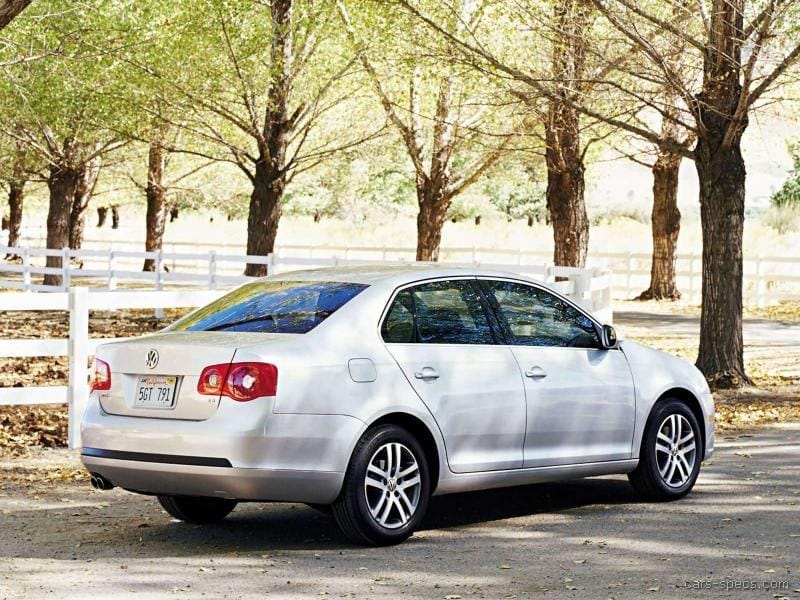
I read this somewhere recently, "Does your car really need an ipad on the dashboard?"
This nailed one of my pet peeves! The invasion of the maintenance-snatchers!
Thanks for reading Jan’s Substack! Subscribe for free to receive new posts and support my work.
I drive (just a little) vehicles that I can fix with a wrench, not a $20,000 fault-code analyzer. This generally means vehicles from the last century.
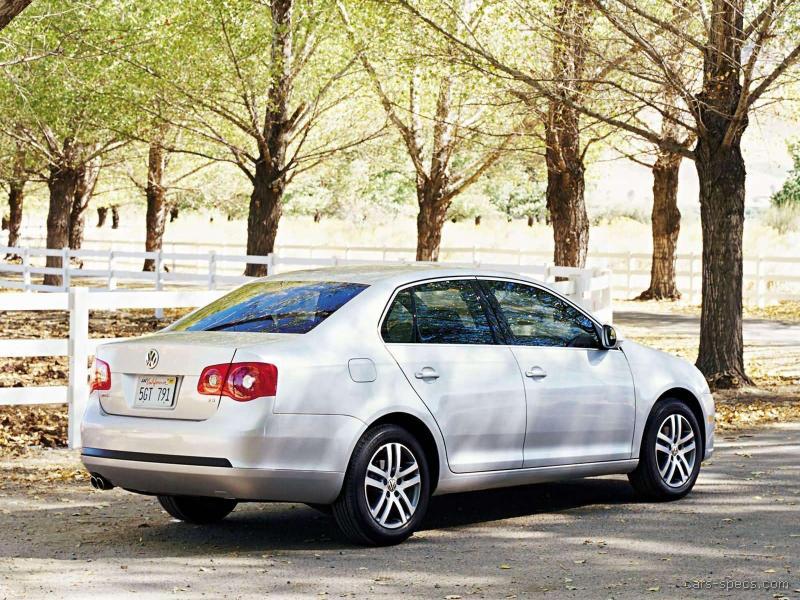
I had (for a while) a 2006 diesel Volkswagen Jetta. It’s fuel economy rivalled hybrid cars on the highway. I could feed it biodiesel I made from waste restaurant fry oil. It was comfortable and roomy. It had a large trunk that could hold two of the largest suitcases a Chinese exchange-student could pack for a year away from home.
But it would not hold a charge. The battery was new. The generator and regulator were working. Still, the battery would be dead in a week of no driving (typical for me) without keeping a trickle charger on it, which I had permanently affixed, with a cord hanging out the front. If the last driver forgot to plug it in, well, you’d better not be in a hurry today!
I had noticed that the fancy dash graphics often said the passenger door was ajar, when I was certain it wasn't. It turns out that the "door computer" was feeling ill, and would stop talking to any of its numerous friends. Who knew that car doors needed computers! Perhaps they were trading stocks or mining Bitcoin on the side.
I put a current meter on the battery. Background drain was a hundred microamps. That’s just 0.0001 amps from a battery that should supply an amp for some 50 hours and still have enough for a start. So it should be fine for half-a-million hours. No worries.
But every 30 seconds or so, the current drawn from the battery would jump up to several amps for perhaps ten seconds or so, then it would drop back down to the normal hundred or so microamps. This means the battery would be consumed in some 150 hours — less than a week.
I took it to a VW electrical expert. It turns out that when any of the dozen or so computers went incommunicado, a dozen or so (minus one) other computers woke up, missing their buddy, and then began incessantly chatting about where it could possibly be!
“Hmmm… maybe the passenger door flew off?” said the driver-door computer. “Maybe there’s been an accident… should I warn the driver?” said the display computer. “Maybe I should stop the engine, just in case,” said the engine computer. (I had noticed random “blips” where the engine would miss for a fraction of a second.)
Like humans, those computers had not considered what was important in computer life, and were willing to exhaust their resources on petty, unnecessary complexities. Also like humans, after fretting and pondering for a while, they’d go back to their business and forget about what must have seemed like a pending disaster for ten seconds. And then, twenty seconds later… PANIC!
A door computer cost $3,000. I paid my VW electrical expert about $2,000 to hand-solder corroded connections on the front passenger door computer, and the problem went away. A couple months later, the rear-passenger door computer went AWOL. This is apparently not uncommon with this model year.
I sold that Jetta (disclosing the issue, and showing the new owner the trickle-charger cord) and bought a 2000 diesel Jetta. No door computers, halleluja! Half-a-million kilometres and going strong! But it has an alarm computer. The alarm will randomly go off when starting the car — embarrassing when trying to drive off a ferry. I’m researching how to disable that damn computer.
Joseph Tainter (Collapse of Complex Societies) notes that civilizations fail because they need more and more complexity to maintain their civilization, until the energetic cost of that maintenance means there is scant little resource available for its citizens.
We are there, folks.
I do not expect any car made today to be useful as long as the 2000 diesel Jetta has been. But there are other reasons for thinking that… more in a future article!
Start writing today. Use the button below to create a Substack of your own
Thanks for reading Jan’s Substack! Subscribe for free to receive new posts and support my work.